
Education has always evolved alongside technology. From printed textbooks to digital classrooms, every shift has aimed to make learning more accessible, engaging, and effective. Today, a new transformation is unfolding—one that is redefining how students learn, how teachers teach, and how institutions measure success.
Modern classrooms are no longer limited to chalkboards and lectures. Digital platforms, smart tools, and data-based insights are enabling educators to better understand student needs. These innovations are not replacing teachers; instead, they are supporting them by reducing manual tasks and improving learning outcomes.
Students, too, are experiencing a significant change. Learning is becoming more flexible, interactive, and aligned with individual strengths. Rather than following a one-size-fits-all approach, education is gradually shifting toward customized learning paths that promote deeper understanding and long-term success.
At the center of this shift is AI in education, which is enabling institutions to analyze learning patterns, adapt teaching methods, and create smarter academic environments that support student growth at every stage.
The Changing Landscape of Modern Education
Education systems worldwide are under pressure to deliver better results while addressing diverse student needs. Traditional teaching methods often struggle to keep pace with varying learning speeds, attention spans, and skill levels.
Digital transformation has opened new doors by introducing data-driven insights into classrooms. Teachers can now track progress in real time, identify learning gaps early, and provide timely support. This evolution is not about automation alone—it is about making education more responsive and inclusive.
The Role of Artificial Intelligence in Education
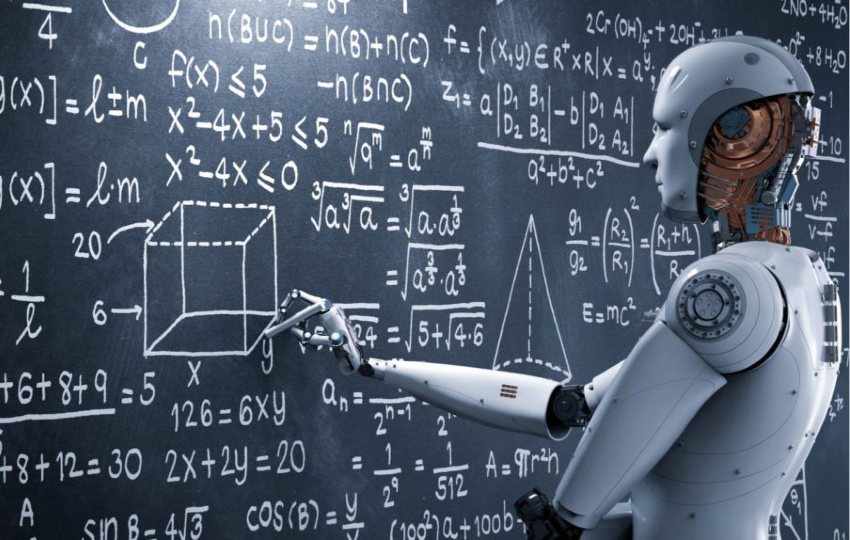
Artificial intelligence in education is helping institutions move beyond static lesson plans. By analyzing student interactions, performance, and engagement, intelligent systems can recommend learning materials that suit individual preferences and abilities.
These systems assist educators by automating repetitive tasks such as grading assignments, organizing coursework, and monitoring attendance. As a result, teachers can focus more on mentoring, creativity, and meaningful student interaction.
Educational platforms powered by intelligent algorithms also enhance accessibility. Features like speech recognition, language translation, and content recommendations help bridge learning gaps for students with different backgrounds and abilities.
Also, read this blog: Top 10 AI Tools Revolutionizing Productivity in 2025
Personalized Learning Experiences for Students
One of the most impactful changes is personalized learning with AI, which adapts content based on a student’s strengths, weaknesses, and learning style. Instead of moving at a fixed pace, learners can progress at a speed that suits them best.
This approach improves motivation and confidence. Students receive targeted exercises, instant feedback, and relevant resources that help them overcome challenges faster. Over time, this personalization leads to stronger academic performance and higher engagement levels.
Adaptive learning platforms are especially effective in subjects like mathematics, science, and language learning, where consistent practice and feedback are essential.
Machine Learning and Smarter Decision-Making
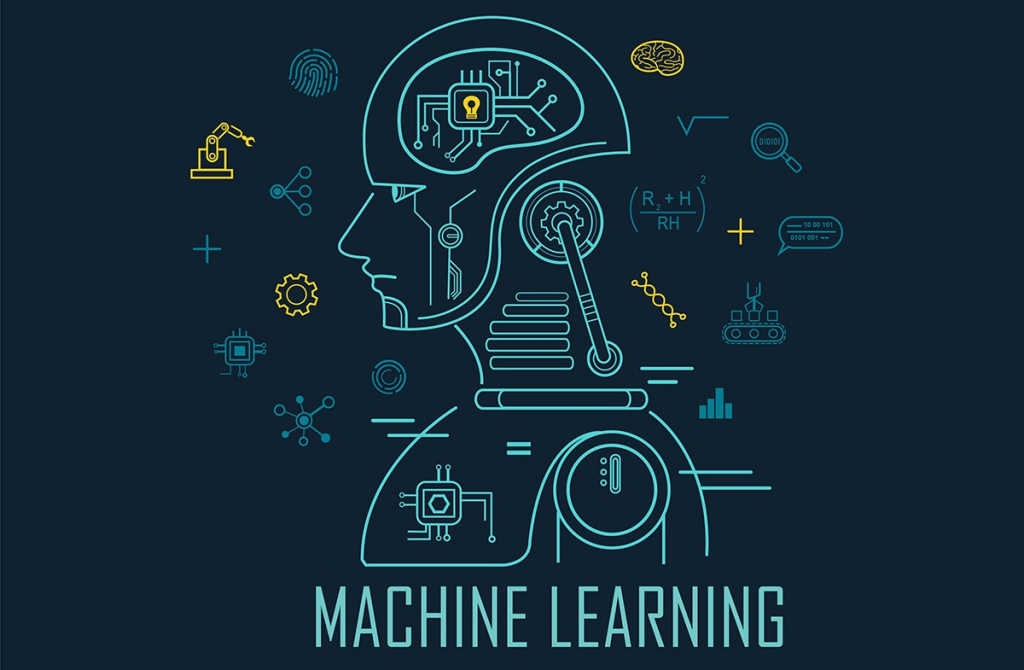
Machine learning in education plays a crucial role in turning raw data into actionable insights. By identifying patterns in student behavior, institutions can predict outcomes such as dropouts, performance issues, or skill gaps.
Administrators use these insights to improve curriculum design, allocate resources efficiently, and design support programs for at-risk students. Educators, on the other hand, gain a clearer understanding of which teaching strategies are most effective.
This data-driven approach ensures that decisions are based on evidence rather than assumptions, leading to better educational outcomes.
AI-Powered Education Tools in Classrooms
AI-powered education tools are already becoming a standard part of modern classrooms. Intelligent tutoring systems, virtual assistants, and smart content platforms help students learn independently while still receiving guidance.
Teachers benefit from dashboards that summarize student progress, highlight problem areas, and suggest interventions. These tools do not replace educators; instead, they act as assistants that enhance teaching efficiency and effectiveness.
Over time, classrooms are evolving into collaborative learning environments where technology supports both instruction and creativity.
Supporting Teachers Through Technology-Enhanced Learning
Technology-enhanced learning is reducing the administrative burden on educators. Automated grading, lesson planning assistance, and performance analytics allow teachers to spend more time on what truly matters—student development.
Professional development is also improving. Educators can access insights about teaching methods, student engagement trends, and classroom dynamics, helping them refine their skills continuously.
This support system leads to better job satisfaction and improved teaching quality across institutions.
Preparing Students for the Future Workforce
Education is not only about academic success; it is also about preparing students for real-world challenges. AI-driven education helps learners develop critical skills such as problem-solving, adaptability, and digital literacy.
Students become familiar with advanced technologies early, making them more prepared for future careers. Exposure to data analysis, automation, and intelligent systems gives them a competitive edge in an increasingly technology-focused job market.
By aligning learning outcomes with industry needs, education becomes more relevant and impactful.
Ethical Considerations and Responsible Use
While the benefits are significant, responsible implementation is essential. Data privacy, transparency, and fairness must remain top priorities. Educational institutions must ensure that technology supports equality rather than creating new barriers.
Clear guidelines, ethical frameworks, and teacher involvement are critical to maintaining trust and accountability within learning environments.
Conclusion
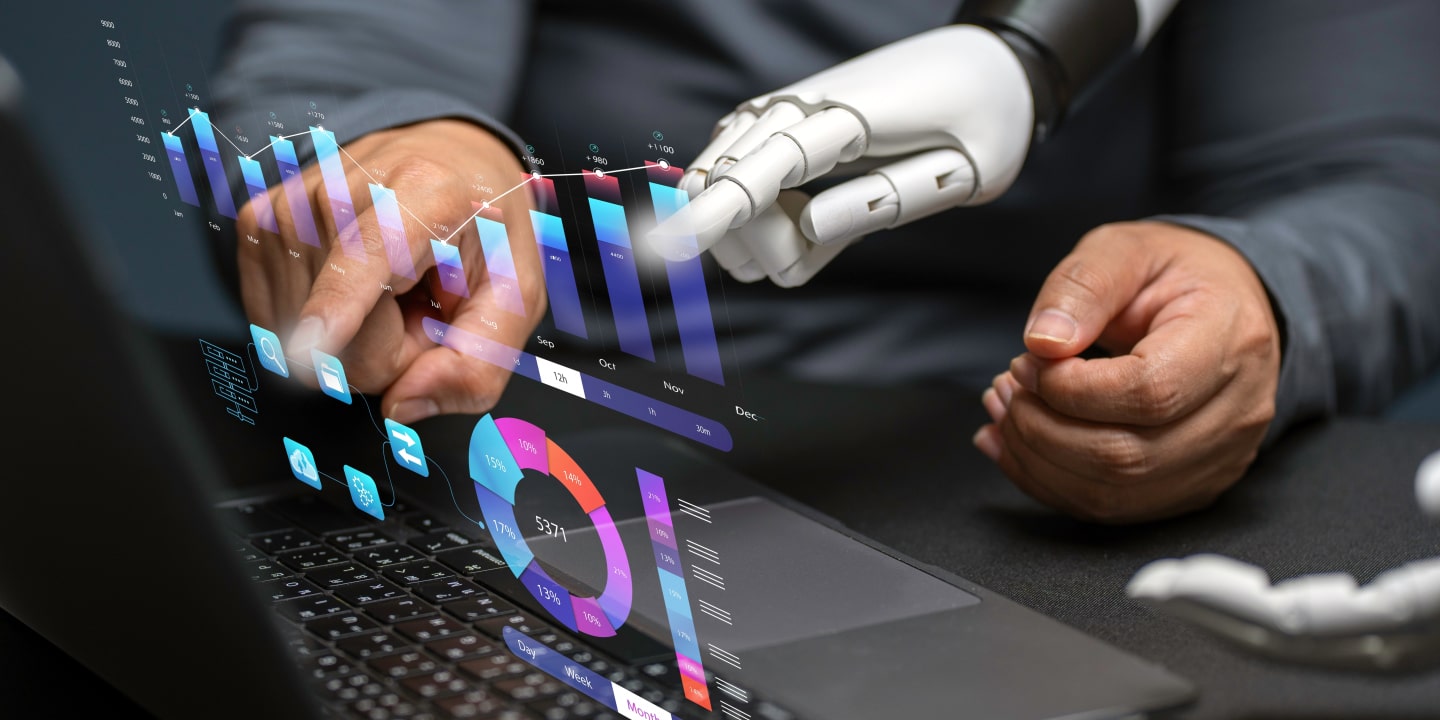
The integration of intelligent technologies into education is reshaping how students learn and succeed. By enabling personalization, supporting educators, and improving decision-making, modern educational systems are becoming more adaptive and inclusive.
When implemented thoughtfully, these advancements create meaningful learning experiences that empower students and prepare them for a rapidly changing world. Platforms like World Web Blog continue to explore how education and innovation intersect to create better learning outcomes for all.
FAQs
1. How Does Ai Improve Student Learning Outcomes?
It adapts learning materials to individual needs, provides instant feedback, and helps identify learning gaps early.
2. Can Technology Replace Teachers In Classrooms?
No, it supports teachers by handling repetitive tasks and providing insights, allowing educators to focus on mentoring and instruction.
3. Is Personalized Learning Effective For All Students?
Yes, it helps students learn at their own pace, improving engagement and understanding across different learning styles.
4. What Role Does Data Play In Modern Education?
Data helps track progress, predict challenges, and improve curriculum design through informed decision-making.
5. Are There Risks In Using Advanced Technology In Education?
Yes, concerns include data privacy and bias, which can be managed through ethical policies and responsible implementation.