

In a landmark move for gender equality and women’s health, the Karnataka government has officially introduced a paid menstrual leave policy for women employees across both public and private sectors. The decision positions Karnataka as a pioneer in advancing workplace inclusivity and recognizing the biological realities faced by women.
The policy comes at a time when conversations around menstrual rights and workplace wellness are gaining momentum in India and around the world. This initiative not only sets a new precedent in the country but also sends a powerful message about gender sensitivity, employee welfare, and progressive governance.
Details of the Karnataka Menstrual Leave Policy
/newsfirstprime/media/media_files/2025/10/09/paid-menstrual-leave-2025-10-09-16-27-12.jpg)
The new rule mandates that women employees are entitled to one or two days of paid leave every month during their menstrual cycle. This leave will not be deducted from regular sick or annual leave quotas, ensuring that women do not face professional disadvantages for availing themselves of this benefit.
The Department of Women and Child Development and the Labor Department have collaborated to finalize the implementation framework, ensuring the policy covers all eligible workplaces — including government offices, educational institutions, and registered private organizations.
Employers will be required to update their HR policies accordingly and ensure no discrimination occurs against employees who choose to take menstrual leave.
The Motivation Behind the Policy
The idea of menstrual leave is not entirely new. Several Asian countries such as Japan, South Korea, Indonesia, and Taiwan already provide similar benefits. In India, however, only a few organizations and educational institutions had voluntarily adopted the concept before Karnataka’s official move.
According to health experts, dysmenorrhea (severe menstrual cramps) affects nearly 20% of Indian women, often impacting concentration and productivity. The state government cited these health challenges as one of the main reasons for introducing the reform.
Additionally, the policy aligns with India’s broader goal of creating gender-friendly workplaces and improving female labor participation, which currently stands below 30%.
Also, Read: H-1B Visa Fee Hike: Impact of $100,000 Fees on Employers and Immigrants in 2025
Public and Corporate Reactions
The announcement has drawn widespread appreciation from social activists, women’s rights organizations, and health advocates. Many have hailed Karnataka’s step as a progressive reform that normalizes menstrual health discussions and acknowledges women’s unique needs in the workplace.
However, some critics argue that such policies could unintentionally reinforce gender stereotypes or discourage employers from hiring women due to potential “additional leave liabilities.”
To counter this concern, the Karnataka government has emphasized awareness programs and corporate sensitization sessions to ensure the policy is implemented positively and without bias. Major tech companies and educational institutions based in Bengaluru have expressed willingness to adopt the policy swiftly.
The Health and Well-being Perspective
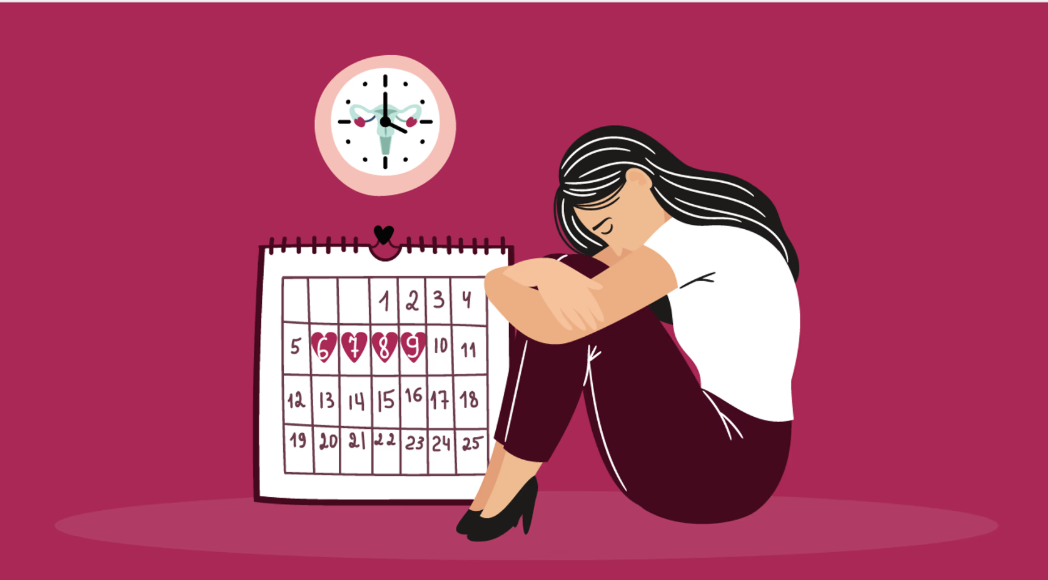
Medical professionals and psychologists have long advocated for a more empathetic approach to women’s health issues. Menstruation, though natural, can sometimes cause intense discomfort, fatigue, and emotional distress.
By introducing this policy, Karnataka has acknowledged the importance of menstrual hygiene management and its direct link to overall productivity and mental well-being.
Experts believe that giving women the autonomy to rest during such days not only improves health outcomes but also enhances work satisfaction and long-term retention of female employees.
Legal and Policy Implications
The Karnataka menstrual leave initiative could become a model policy for other Indian states. The Union Ministry of Women and Child Development has already welcomed the move and may consider recommending a similar framework at the national level.
If adopted widely, this could mark the beginning of a nationwide menstrual rights policy, ensuring all working women receive equitable and compassionate treatment.
From a legal perspective, the inclusion of menstrual leave under labor and employment law will require updates to company HR manuals, employee handbooks, and compliance frameworks.
Impact on Workplace Culture

The new policy is not just about granting leave — it’s about changing workplace culture. Historically, menstrual issues have been stigmatized in professional environments. Women often avoid discussing their discomfort due to fear of judgment or bias.
This move encourages open dialogue, empathy, and inclusivity in the workplace. It creates an environment where women’s health is valued and respected — fostering a healthier, more understanding corporate ecosystem.
Forward-thinking companies have also begun to combine menstrual leave with wellness programs, offering counseling, flexible hours, and health benefits during menstrual days.
Global Comparisons
Globally, menstrual leave policies vary widely.
-
Japan introduced menstrual leave as early as 1947, though it is rarely availed due to cultural hesitation.
-
South Korea and Taiwan provide monthly menstrual leave with full pay.
-
Spain, in 2023, became the first European country to pass a national menstrual leave law.
Karnataka’s policy thus places India among the growing list of nations prioritizing women’s reproductive health in labor laws, reflecting a modern and compassionate approach to governance.
Challenges Ahead
While the policy is well-intentioned, its successful implementation depends on several factors:
-
Ensuring uniform adoption across private organizations.
-
Preventing stigma or bias against women who take menstrual leave.
-
Monitoring compliance and addressing misuse concerns.
-
Educating workplaces through gender-sensitivity training and awareness campaigns.
The state government has planned a monitoring committee to oversee these aspects and to encourage feedback from women employees for further policy refinement.
Conclusion

The Karnataka Paid Menstrual Leave Policy 2025 marks a historic step in India’s journey toward gender equality and humane labor practices. It acknowledges women’s biological needs, promotes workplace inclusivity, and sets a benchmark for other states to follow.
By embracing this reform, Karnataka is not just leading on policy — it’s reshaping societal attitudes toward menstrual health and women’s rights in professional spaces.
This progressive move proves that when governments prioritize empathy, awareness, and equality, the results can transform both workplaces and mindsets across generations.
Read more: Elon Musk Has Launched A New AI Company Named Macrohard As A Humorous Nod Toward Microsoft.
FAQs
1. What Is Karnataka’s Menstrual Leave Policy?
It allows women employees to take one or two paid days off per month during their menstrual cycle, without affecting other leave entitlements.
2. Who Is Eligible For This Policy?
All women working in government, semi-government, and private organizations registered under state labor laws.
3. Does This Leave Affect Salary Or Promotion?
No. The leave is fully paid and will not influence salary, attendance, or promotion criteria.
4. How Will Companies Implement It?
Employers must amend HR policies, maintain confidentiality, and ensure a stigma-free environment.
5. Can Other States Introduce Similar Policies?
Yes. Several states, including Kerala and Maharashtra, are reportedly studying Karnataka’s model to design similar frameworks.