

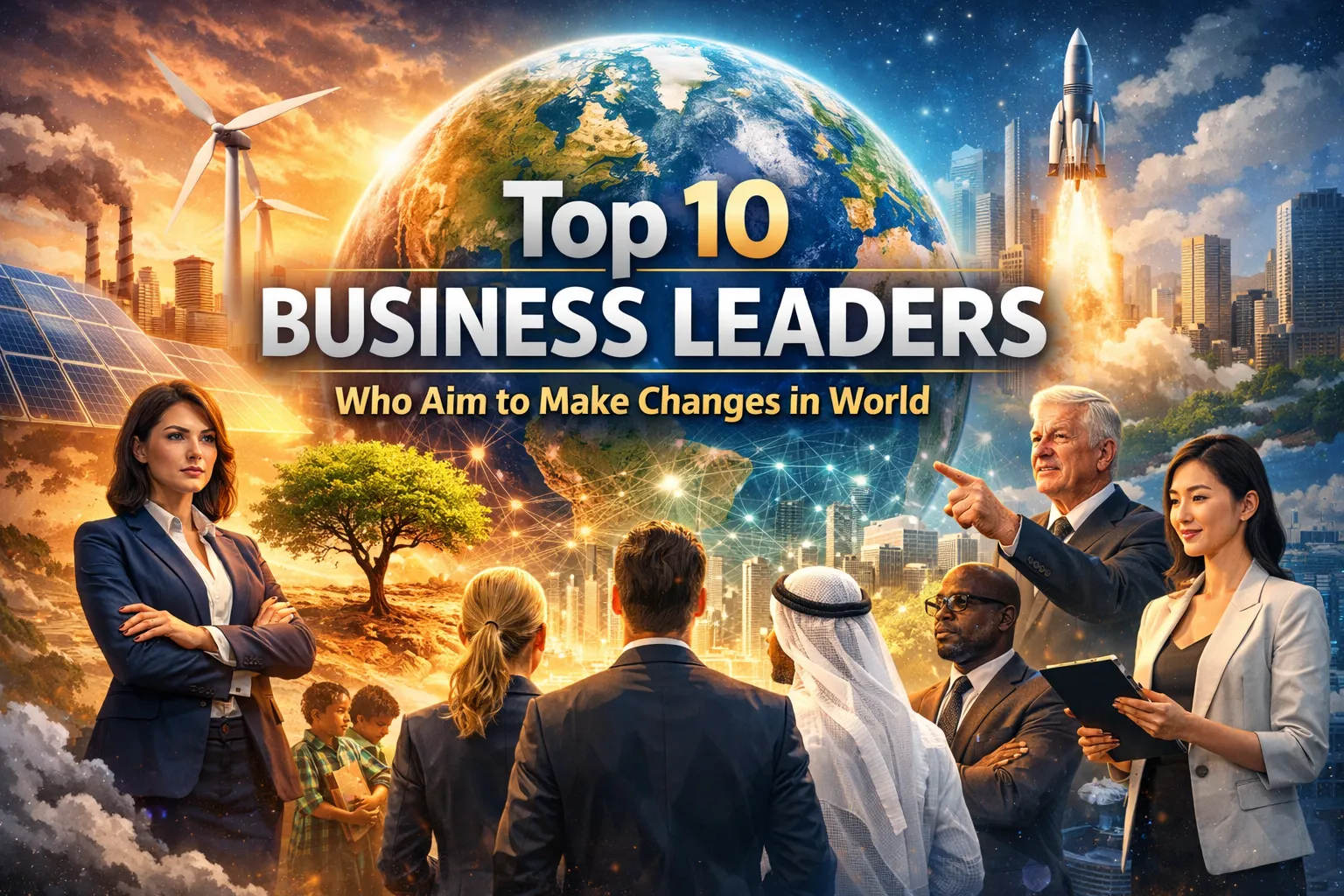
The modern business landscape is no longer driven by profit alone. Across industries and continents, influential figures are stepping beyond traditional roles to address global challenges such as climate change, inequality, education, healthcare, and technological access. Business leaders’ decisions impact not just markets, but societies and future generations.
In recent years, leadership has evolved into a broader responsibility. Vision, ethics, and accountability now define success as much as revenue and growth. Leaders who understand this shift are using their influence to reshape systems, inspire communities, and encourage sustainable progress on a global scale.
From technology and finance to manufacturing and social enterprises, transformative leadership is visible everywhere. These individuals combine innovation with purpose, proving that business can be a powerful force for positive global change when guided by long-term thinking.
In 2025, Business leaders who aim to make changes in the world are recognized not only for their achievements, but for the values they promote, the initiatives they support, and the lasting impact of their actions across borders.
What Makes a Business Leader a Global Change-Maker?
True change-makers share common traits that separate them from traditional executives.
Vision Beyond Profit
Leaders who focus on long-term societal value prioritize sustainability, inclusion, and ethical growth alongside financial success.
Commitment to Social Responsibility
Through education initiatives, environmental programs, and fair labor practices, many leaders actively invest in communities where they operate.
Ability to Influence at Scale
With access to capital, technology, and global networks, these individuals turn ideas into large-scale solutions that influence millions.
Also, read this blog: U.S. Announces Russia and Ukraine Agree To Halt Black Sea Military Operations
Top 10 Business Leaders Who Aim to Make Changes in World
1. Elon Musk

Known for transforming transportation and space exploration, Musk continues to push boundaries in renewable energy, electric vehicles, and global connectivity.
2. Satya Nadella

As the driving force behind Microsoft’s transformation, Nadella emphasizes inclusive growth, ethical AI, and accessibility through technology.
3. Mukesh Ambani
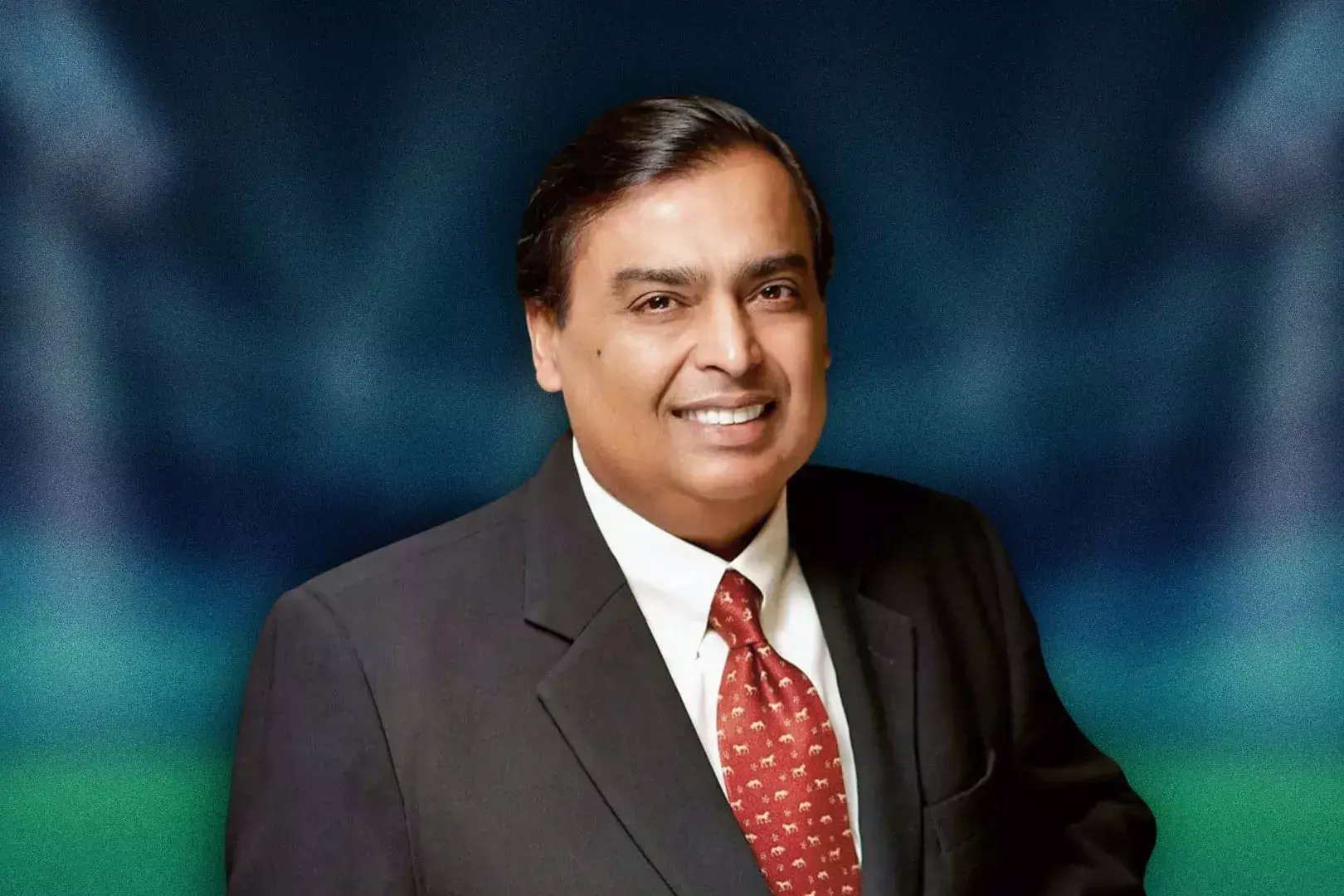
Ambani’s initiatives focus on digital inclusion, affordable connectivity, and infrastructure development, impacting millions in emerging markets.
4. Sundar Pichai
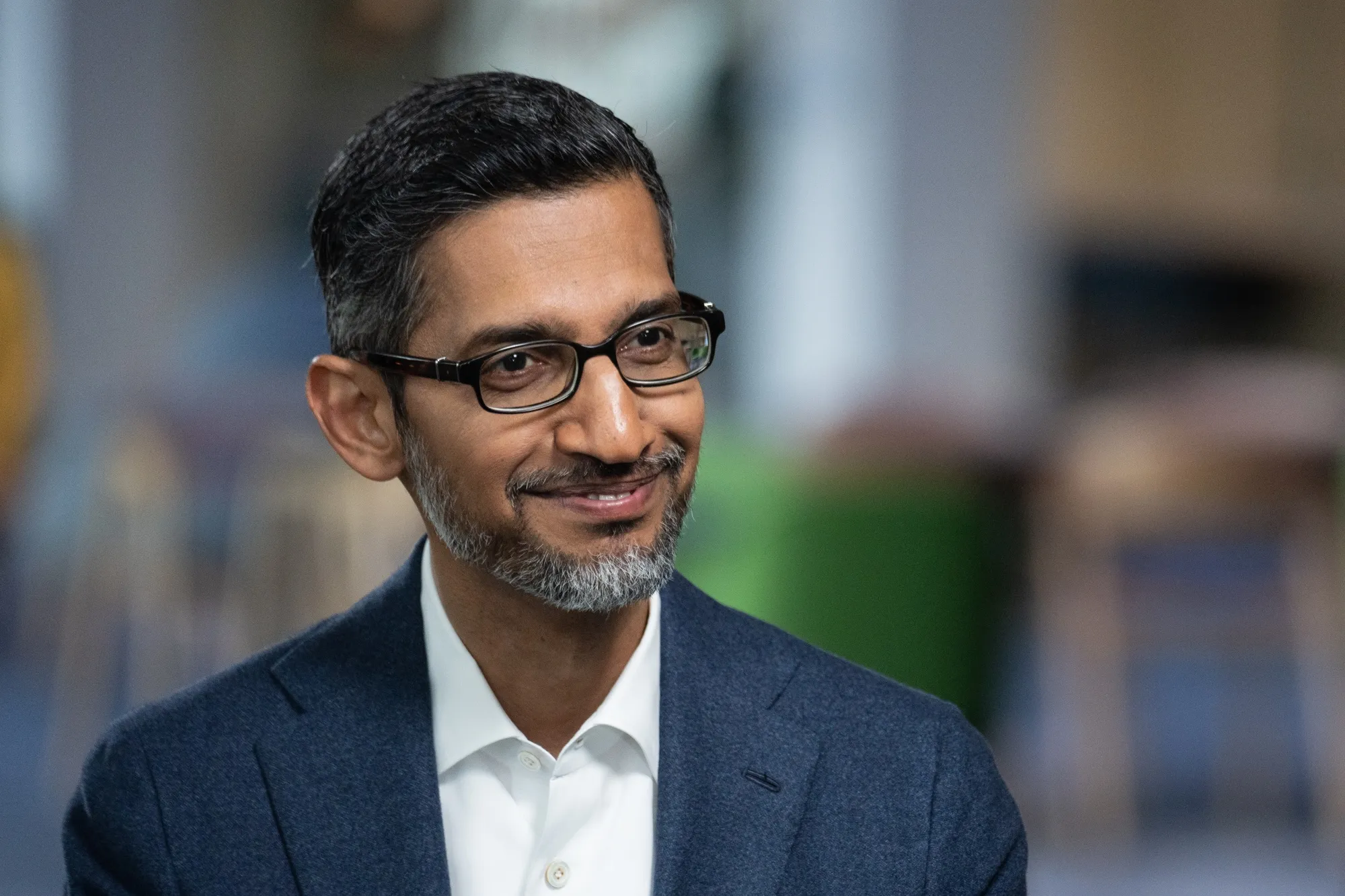
Under his leadership, Google promotes responsible innovation, clean energy investments, and tools that support education and small businesses worldwide (Sundar Pichai).
5. Mary Barra

As CEO of General Motors, Mary Barra leads the shift toward electric mobility, reducing emissions while redefining the future of transportation.
6. Jensen Huang
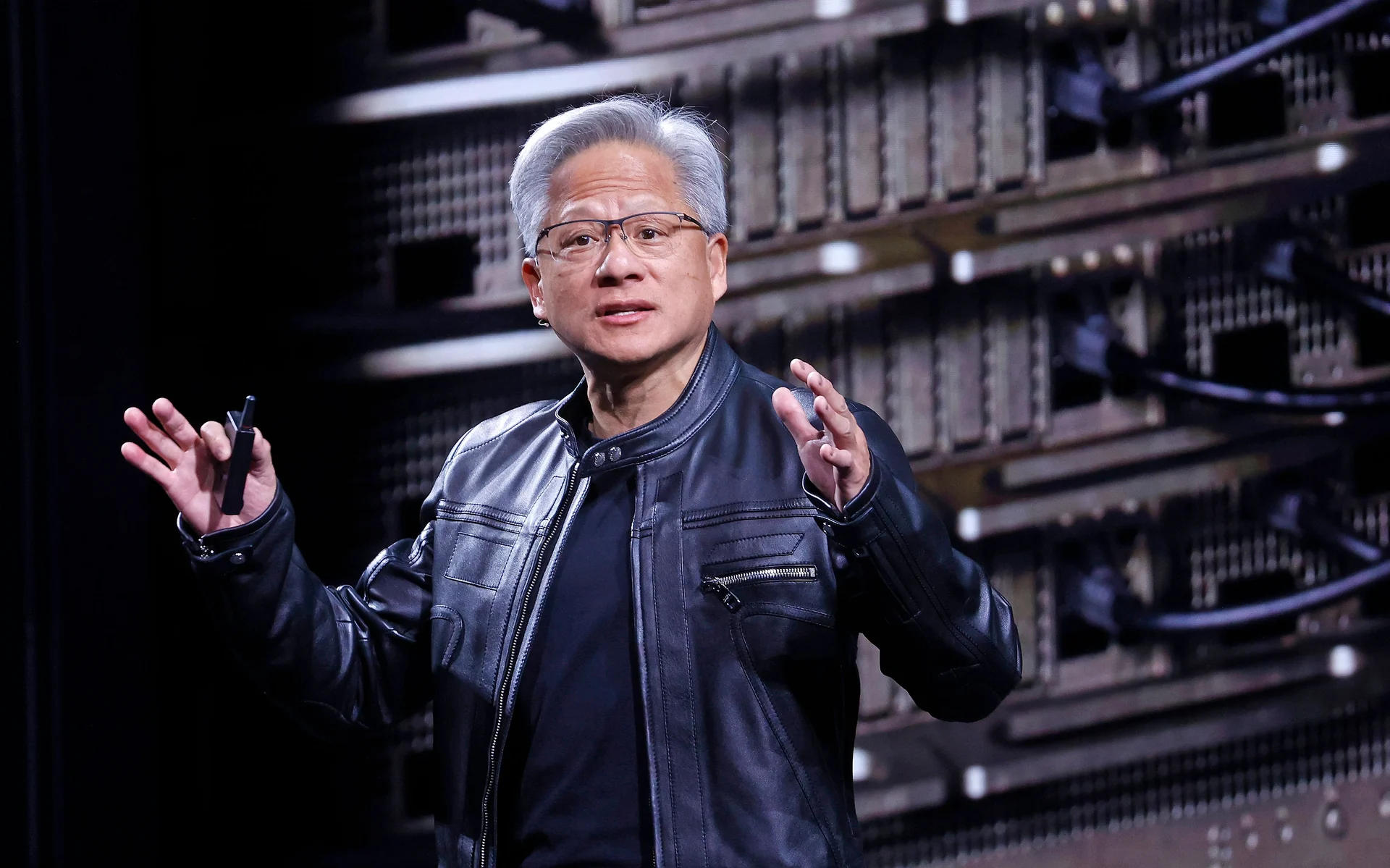
The NVIDIA founder plays a key role in advancing AI, healthcare computing, and scientific research that addresses global challenges (Jensen Huang).
7. Jack Ma
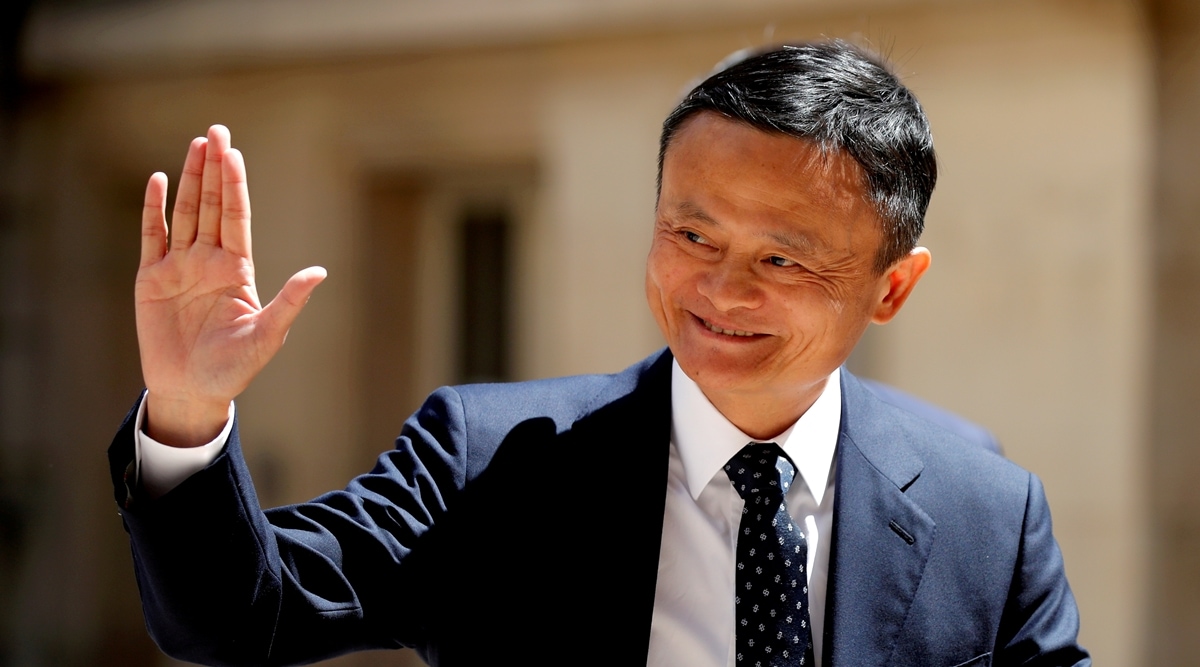
Through philanthropy and education-focused initiatives, Jack Ma supports entrepreneurship and learning opportunities across developing regions.
8. Indra Nooyi
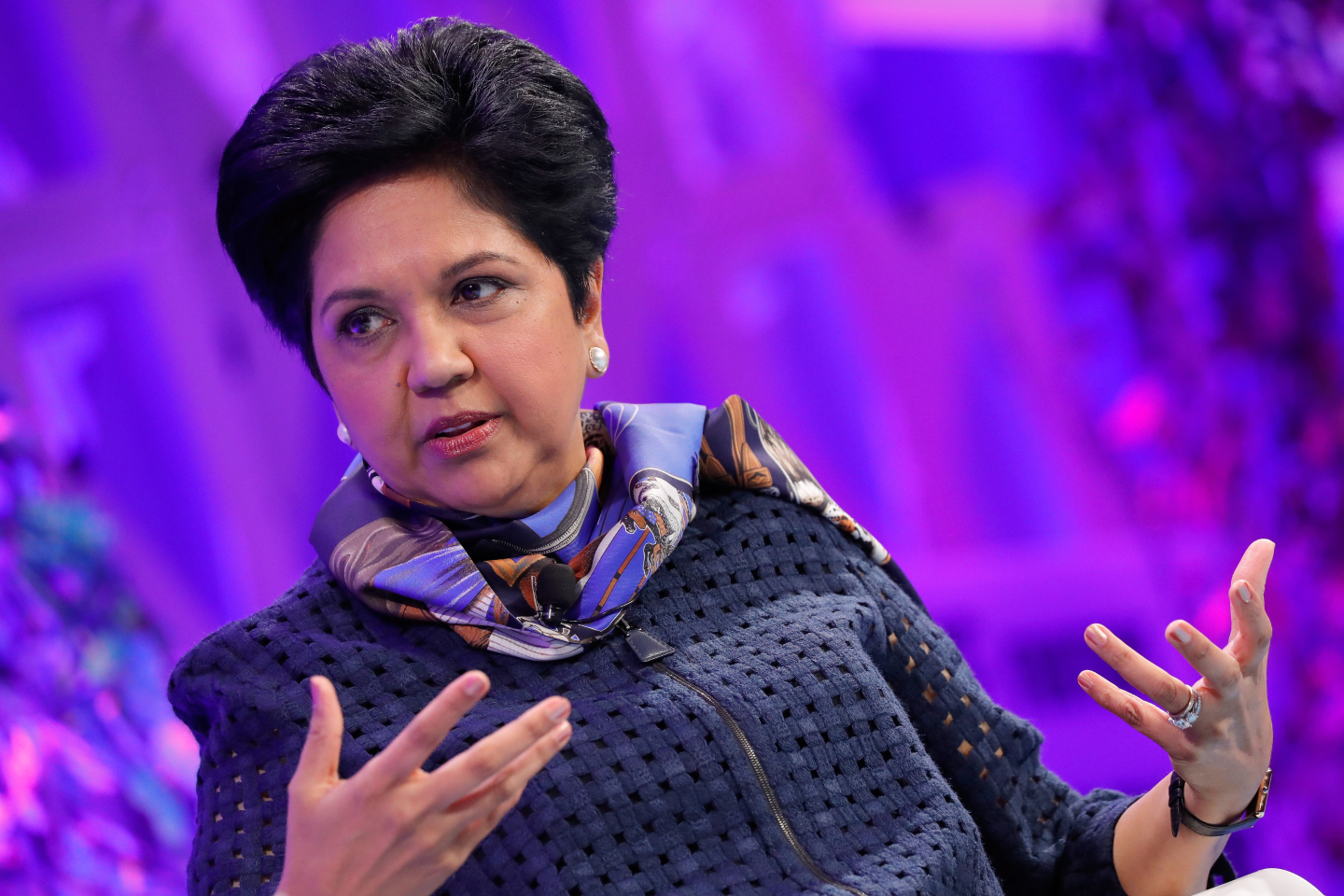
A strong advocate of sustainable business leadership, Indra Nooyi emphasizes purpose-driven growth and diversity in corporate decision-making.
9. Bernard Arnault

Beyond luxury brands, Bernard Arnault invests in culture, heritage preservation, and large-scale employment across international markets.
10. Tim Cook
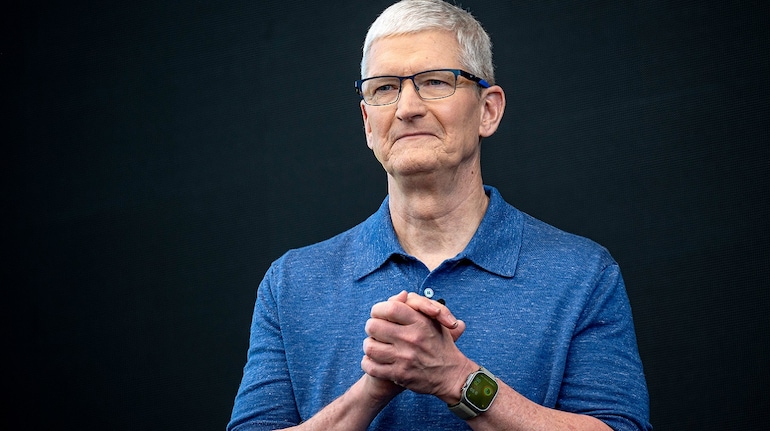
As the CEO of Apple, Tim Cook has focused on ethical supply chains, environmental sustainability, and user privacy. Under his leadership, Apple has committed to carbon neutrality and responsible sourcing while continuing to influence global technology and consumer behavior.
Role of Business Leadership in Global Transformation

Driving Social Impact Leadership
Modern executives integrate social goals into core strategies, addressing issues like climate action, digital inclusion, and education access.
Encouraging Leadership and Global Change
By aligning corporate missions with global development goals, companies contribute to long-term stability and economic resilience.
Supporting Global Entrepreneurs
Investment in startups, mentorship programs, and innovation hubs empowers emerging leaders to solve local and global problems.
Why These Leaders Matter Today
The influence of famous business leaders worldwide extends beyond boardrooms. Their policies affect employment, innovation, environmental standards, and social norms. When corporate leaders act responsibly, they inspire industries to follow.
As global business leaders navigate complex challenges, their ability to balance growth with purpose defines the future of business itself.
Future Trends in Purpose-Driven Leadership

Sustainability as a Core Strategy
Environmental responsibility is becoming central to corporate planning, not an optional initiative.
Technology for Global Good
AI, automation, and digital platforms are increasingly used to solve healthcare, education, and climate challenges.
Human-Centered Leadership
Empathy, transparency, and ethical governance are now essential traits for leaders influencing global change.
Conclusion
The impact of these business leaders goes far beyond their companies. Through innovation, ethical decision-making, and a commitment to leadership and global change, they influence economies, inspire entrepreneurs, and help address some of the world’s most pressing challenges. Their actions show that success today is measured not only by profit, but by purpose and responsibility.
Platforms like World Web Blog continue to highlight such leadership stories, helping readers understand how global business leaders and entrepreneurs contribute to positive transformation worldwide.
Read more: Top 10 Personal Finance Hacks That Actually Work
Frequently Asked Questions (FAQs)
1. Who Are Considered Global Leaders In Business Today?
Individuals who influence international markets while contributing to social, environmental, and economic development are considered global leaders.
2. How Do Entrepreneurs Contribute To Global Change?
Entrepreneurs introduce innovative solutions, create jobs, and address unmet needs through scalable business models.
3. Why Is Social Impact Leadership Important?
It ensures that business growth aligns with societal well-being and long-term sustainability.
4. Can Corporate Leaders Drive Real Global Change?
Yes, through investment decisions, policy influence, and responsible practices, corporate leaders can create measurable global impact.
5. What Qualities Define Effective Business Leadership In 2025?
Vision, ethics, adaptability, inclusiveness, and a commitment to global responsibility define effective leadership today.