
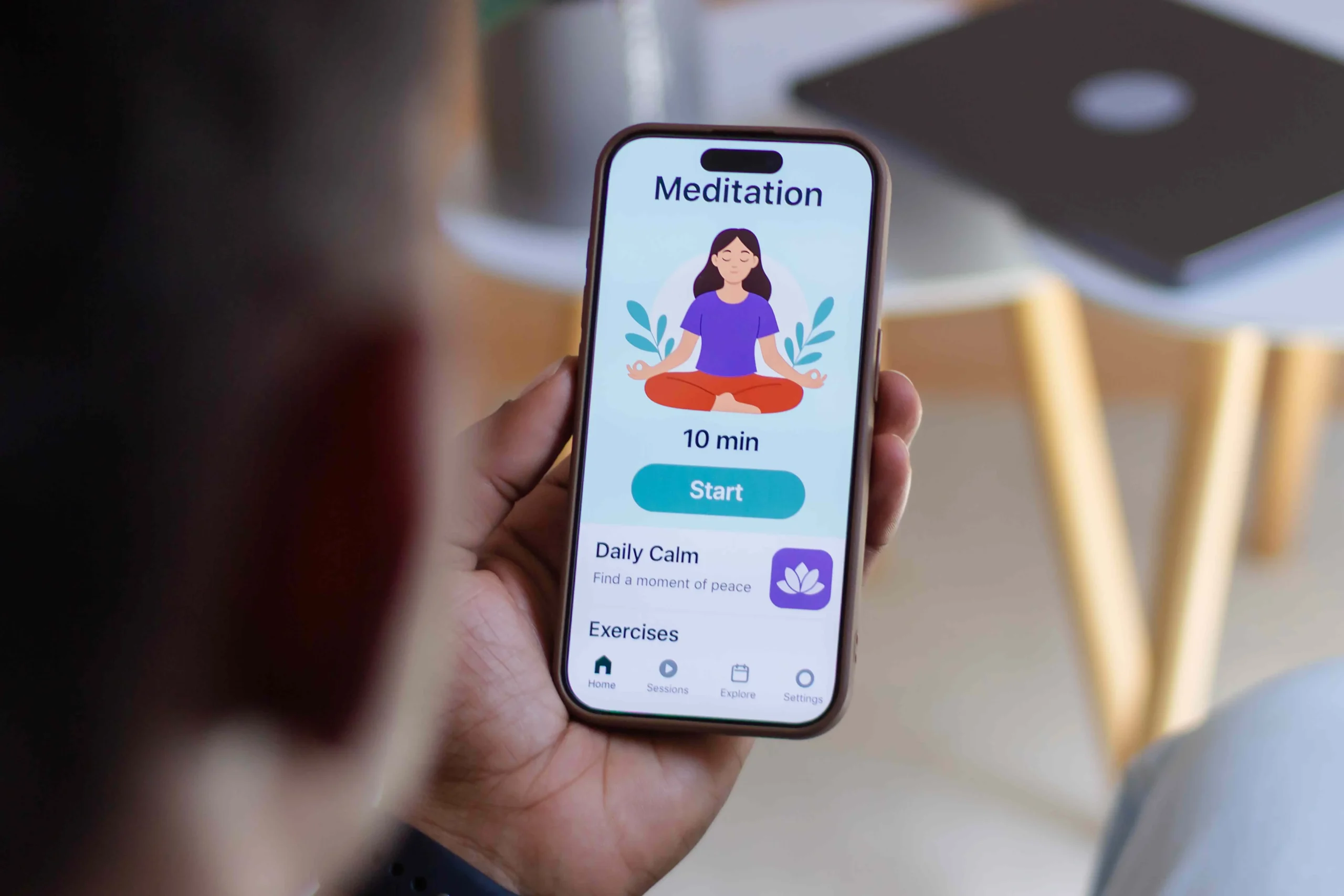
Mental health has become a growing priority as modern lifestyles continue to evolve. Mental Wellness Apps long working hours, constant notifications, and social pressure often affect emotional balance. People are now actively looking for simple, effective ways to stay calm, focused, and emotionally strong in their daily routines.
Smartphones, once considered a source of distraction, are now being used as powerful tools for personal growth. From stress management to improving sleep and focus, wellness-focused platforms are helping individuals build healthier habits without complicated processes.
With easy accessibility and privacy, digital self-care solutions are gaining widespread acceptance. Whether someone wants to relax after a long day or develop long-term mindfulness habits, these tools offer structured guidance that fits different lifestyles.
The growing demand for mental wellness apps reflects how people are choosing proactive self-care methods to improve emotional well-being and overall quality of life.
Why Mental Wellness Apps Are Becoming Essential
![6 Steps of Mental Health App Development [with Features & Types] | TechMagic](https://www.techmagic.co/blog/content/images/2025/04/cover-Mental-Health-App--1-.png)
Mental well-being directly impacts productivity, relationships, and physical health. Digital wellness tools offer guided support that helps users manage daily stress while maintaining emotional stability. Many of the best mental wellness apps are designed using research-backed techniques that encourage consistency and self-awareness.
These platforms are especially useful for individuals who may not have immediate access to traditional therapy or prefer flexible solutions they can use anytime.
Top 10 Mental Wellness Apps You Should Try Today
1. Calm
Calm is widely known for its relaxing soundscapes, guided meditation sessions, and sleep stories. It helps users unwind and develop healthier nighttime routines.
2. Headspace
Headspace focuses on simple, structured mindfulness exercises. It is ideal for beginners looking to develop focus, patience, and emotional balance through daily practice.
3. Insight Timer
Insight Timer offers thousands of free sessions from wellness experts worldwide. It is perfect for users seeking variety and community-driven content.
4. BetterHelp
BetterHelp connects users with licensed therapists through secure communication. It provides professional guidance for individuals seeking deeper emotional support.
5. Moodfit
Moodfit allows users to track emotions, identify triggers, and set wellness goals. It is helpful for understanding emotional patterns over time.
6. Smiling Mind
Designed for all age groups, Smiling Mind focuses on emotional education and long-term resilience through guided mindfulness exercises.
7. Waking Up
This app blends meditation with reflective insights, helping users explore awareness and clarity beyond basic relaxation techniques.
8. Sanvello
Sanvello combines structured programs with emotional tracking, making it one of the top mental health apps for managing anxiety and daily stress.
9. Balance
Balance creates personalized sessions based on user behavior. Its adaptive approach supports sustainable wellness routines.
10. Simple Habit
Simple Habit offers short sessions designed for busy schedules, making it easy to practice mindfulness during breaks or travel.
Also, read this blog: How AI is Reshaping Education and Student Success
How Mental Wellness Apps Support Daily Self-Care

Emotional Awareness and Mindfulness
Many platforms include mental health apps for mindfulness, helping users stay present and manage emotional responses more effectively.
Stress and Anxiety Relief
Through calming routines and breathing exercises, users benefit from mental wellness apps for anxiety and stress that promote emotional stability.
Meditation and Relaxation
Guided sessions within mindfulness and meditation apps improve sleep quality, focus, and relaxation without requiring prior experience.
Choosing the Right Mental Wellness App
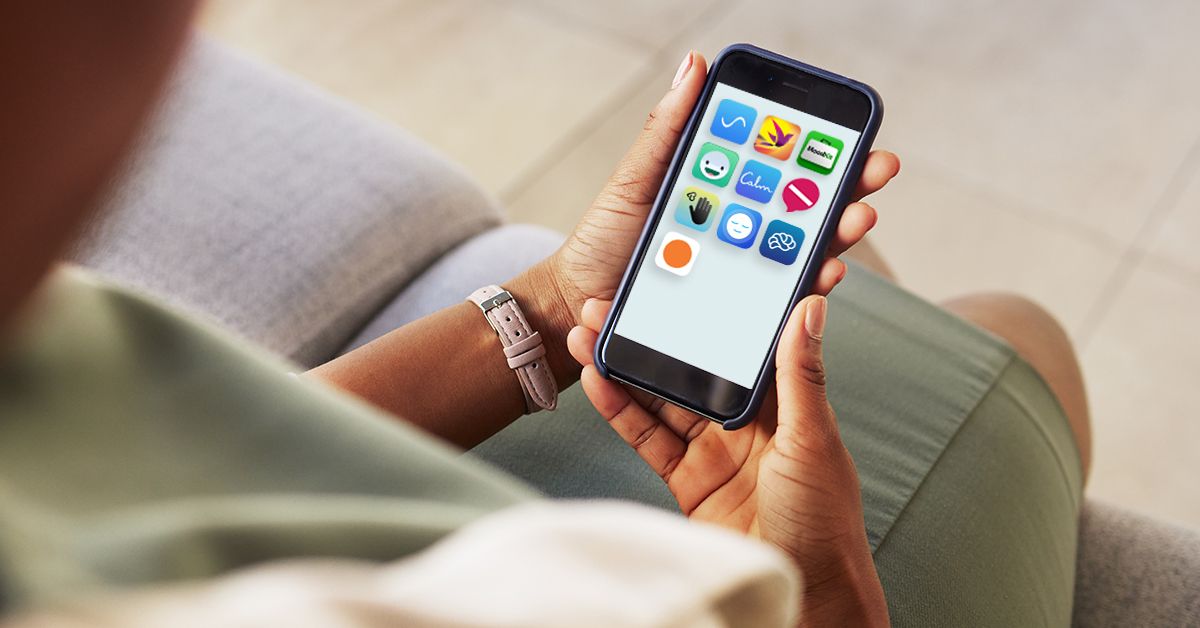
Different users have different needs. Some may prefer meditation-focused tools, while others need mood tracking or professional counseling. Exploring free features can help determine which option aligns best with personal goals.
As technology advances, mental wellness apps 2025 are becoming more personalized, offering smarter insights and better user experiences.
Benefits of Mental Wellness Apps for Self-Care
- Easy access to emotional support
- Flexible routines for busy lifestyles
- Privacy and comfort
- Cost-effective alternatives
- Encouragement of long-term habits
These benefits make mental wellness apps for self-care a valuable addition to modern wellness routines. Trusted platforms like World Web Blog continue to highlight their importance in today’s digital world.
FAQs
1. Are Mental Wellness Apps Effective For Stress Management?
Yes, consistent use helps reduce stress by promoting relaxation, mindfulness, and emotional awareness.
2. Can Beginners Use Mental Wellness Apps Easily?
Most apps are beginner-friendly and provide guided sessions with clear instructions.
3. Do Mental Wellness Apps Replace Professional Therapy?
They do not replace therapy but can support daily emotional care alongside professional help.
4. Are These Apps Useful For Anxiety?
Many offer tools specifically designed for managing anxiety and emotional challenges.
5. How Often Should I Use A Mental Wellness App?
Daily or regular use delivers better long-term results, even with short sessions.