
Smartwatches have evolved far beyond step counting and notifications. Today’s premium models rely on advanced software intelligence to understand user habits, track health more accurately, and deliver personalized insights. Apple, Samsung, and Google dominate this space, each offering a smartwatch ecosystem designed to integrate seamlessly with daily life. This comparison explores how these three brands approach smart wearable technology and which one delivers the most value for users seeking innovation, performance, and reliability.
The Rise of Intelligent Smartwatches

The modern intelligent smartwatch is no longer just an accessory; it is a personal health assistant worn on the wrist. With improvements in sensors, processors, and software learning models, smartwatches now analyze activity patterns, sleep quality, heart rate trends, and even stress levels. This shift has transformed wearables into essential tools for people who prioritize fitness, wellness, and productivity.
Unlike earlier generations, current smartwatches adapt to users rather than offering static features. From workout recommendations to personalized reminders, learning algorithms help create a more responsive and meaningful experience.
How Machine Learning Is Shaping Wearable Technology
One of the most significant developments in recent years is machine learning in smartwatches. These systems continuously process data collected by sensors to identify patterns and anomalies. Over time, this allows watches to offer smarter suggestions, detect irregular health signals, and improve accuracy in tracking daily activities.
Machine learning also helps optimize battery usage, refine motion tracking, and improve voice recognition. As a result, users benefit from smoother performance without needing constant manual input.
Also, read this blog: Generative AI for Software Engineers: Build Smarter Applications
Health Tracking Goes Beyond Basic Metrics
Health monitoring has become a core feature in modern wearables. With AI-powered health monitoring, smartwatches now provide insights that once required medical-grade equipment. Continuous heart rate tracking, blood oxygen monitoring, sleep stage analysis, and activity scoring help users better understand their bodies.
Apple, Samsung, and Google all focus heavily on wellness features, but their approaches vary. Some emphasize long-term trend analysis, while others prioritize real-time alerts and fitness coaching.
AI Smartwatch Face-Off: What Sets These Brands Apart
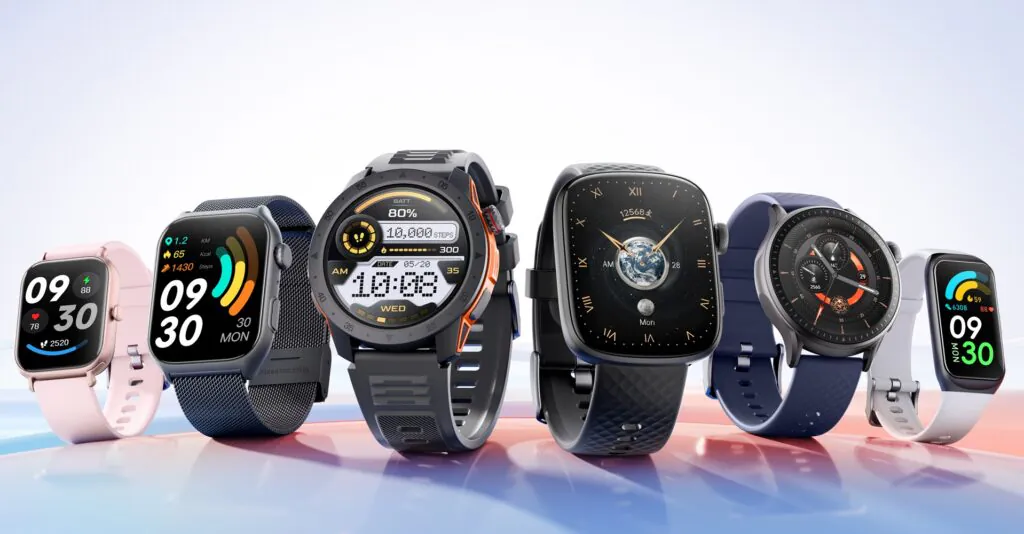
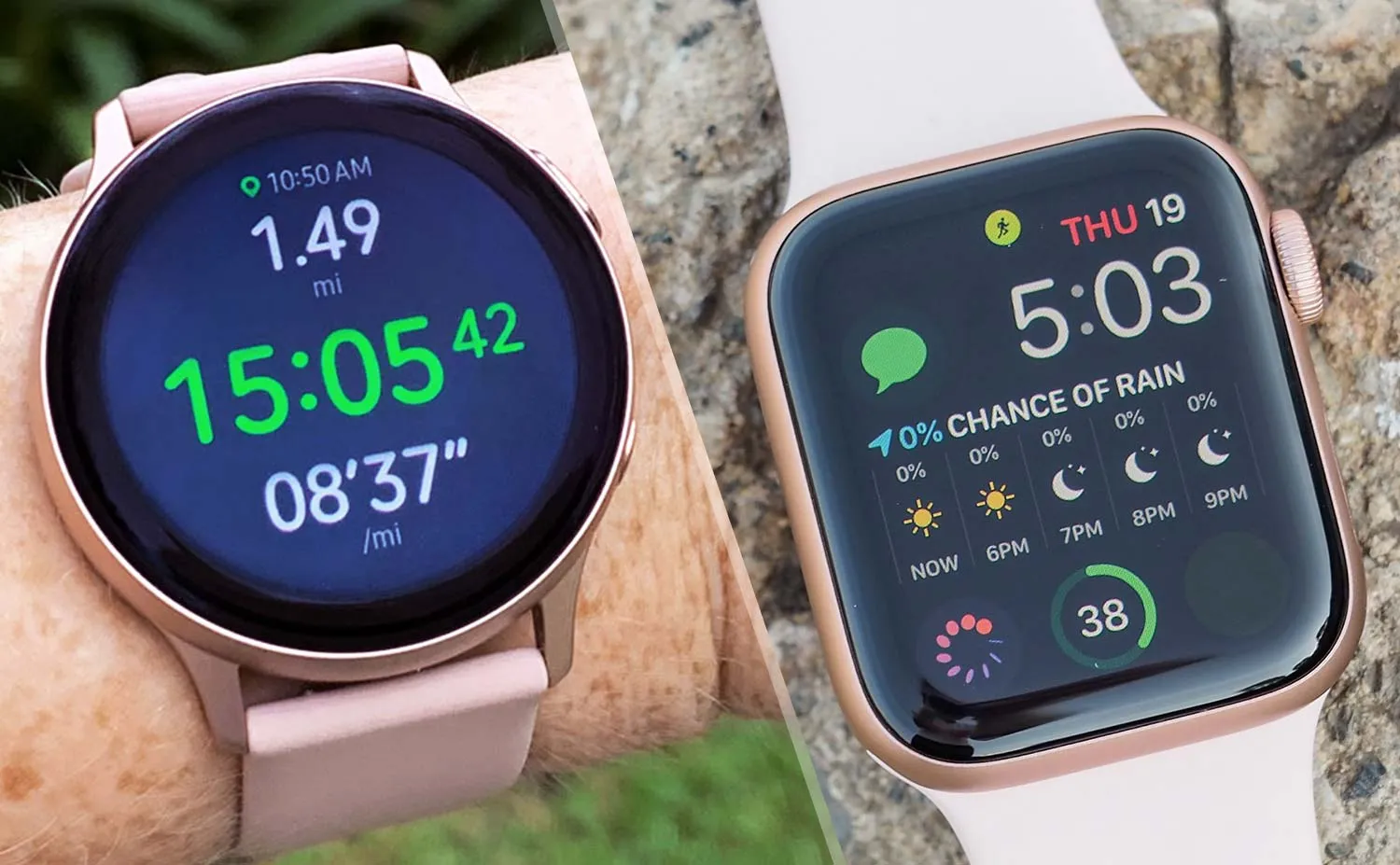
The AI smartwatch face-off between Apple, Samsung, and Google highlights three distinct philosophies. Apple focuses on precision, consistency, and ecosystem integration. Samsung emphasizes customization and advanced health tools. Google brings deep software intelligence and seamless integration with its services.
Each brand uses data differently, tailoring insights to its operating system and user base. This means the “best” option often depends on whether you prioritize fitness, productivity, or ecosystem compatibility.
Apple Watch: Refined Intelligence and Seamless Integration
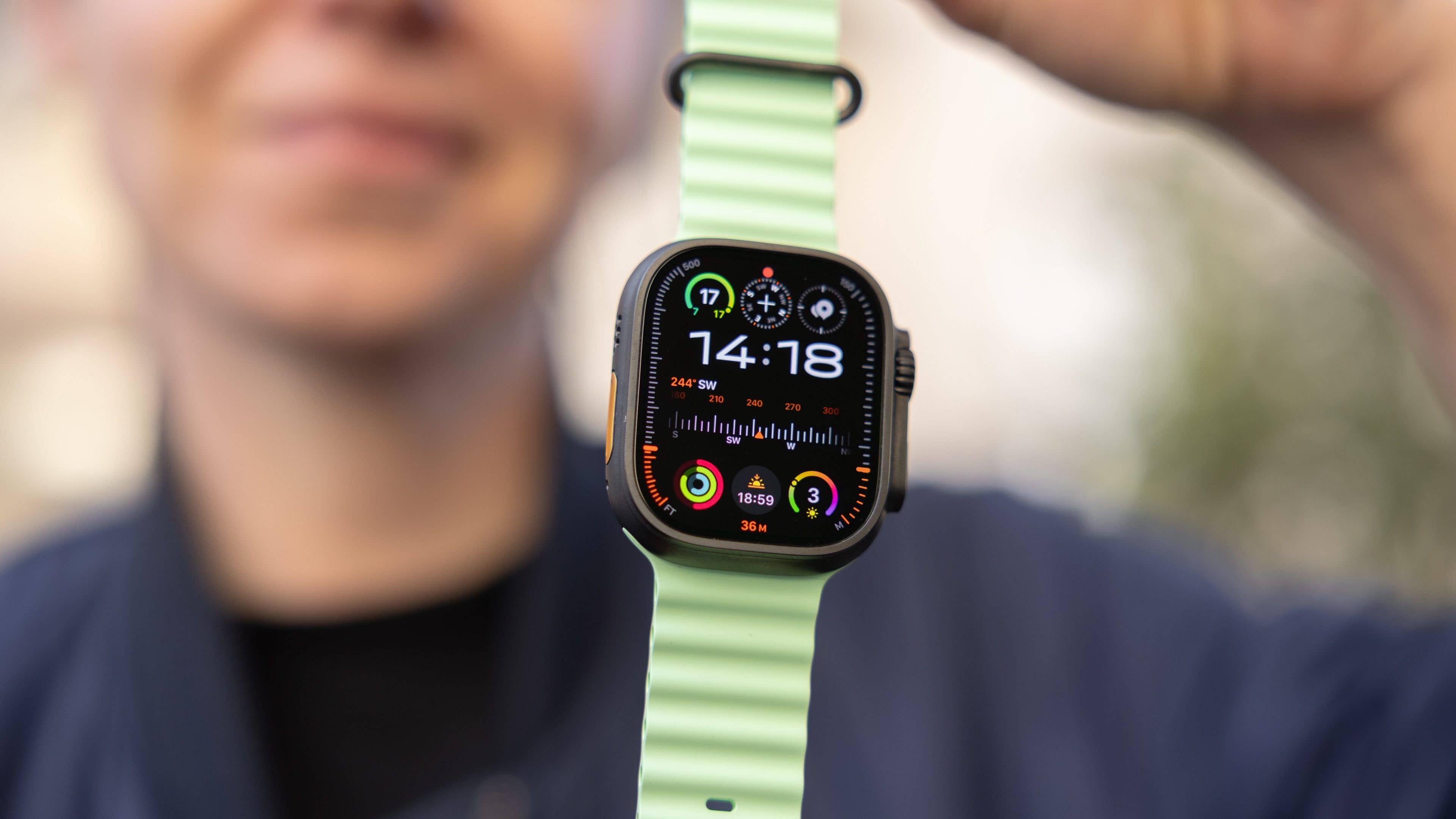
Apple’s smartwatch stands out for its smooth performance and attention to detail. The Apple Watch AI features are designed to work quietly in the background, analyzing activity trends and delivering subtle, timely notifications. Its health tools focus on long-term wellness, making it ideal for users who value consistency and accuracy.
Apple’s strength lies in how effortlessly the watch integrates with other devices. For those seeking an AI smartwatch comparison for iPhone users, Apple Watch often feels like a natural extension of the phone, offering unmatched synchronization and ease of use.
Samsung Galaxy Watch: Flexibility and Advanced Wellness Tools

Samsung’s approach centers on customization and comprehensive health tracking. The Galaxy Watch offers detailed fitness insights and adaptive workout tracking, making it appealing to users who enjoy monitoring performance closely. Its interface allows for extensive personalization, giving users control over how data is displayed and used.
Samsung also invests heavily in sensor accuracy and real-time feedback, which appeals to fitness enthusiasts who want actionable insights during workouts.
Google Pixel Watch: Software-Driven Intelligence

Google’s entry into the smartwatch market emphasizes deep software intelligence. The Google Pixel Watch AI capabilities shine in areas like predictive suggestions, smart notifications, and seamless integration with Google services. The watch leverages data from multiple sources to offer context-aware insights throughout the day.
Google’s strength lies in its ability to connect information across platforms, making the Pixel Watch a strong option for users who rely heavily on Google’s ecosystem for navigation, communication, and productivity.
Fitness and Health: Which Watch Delivers the Best Results?
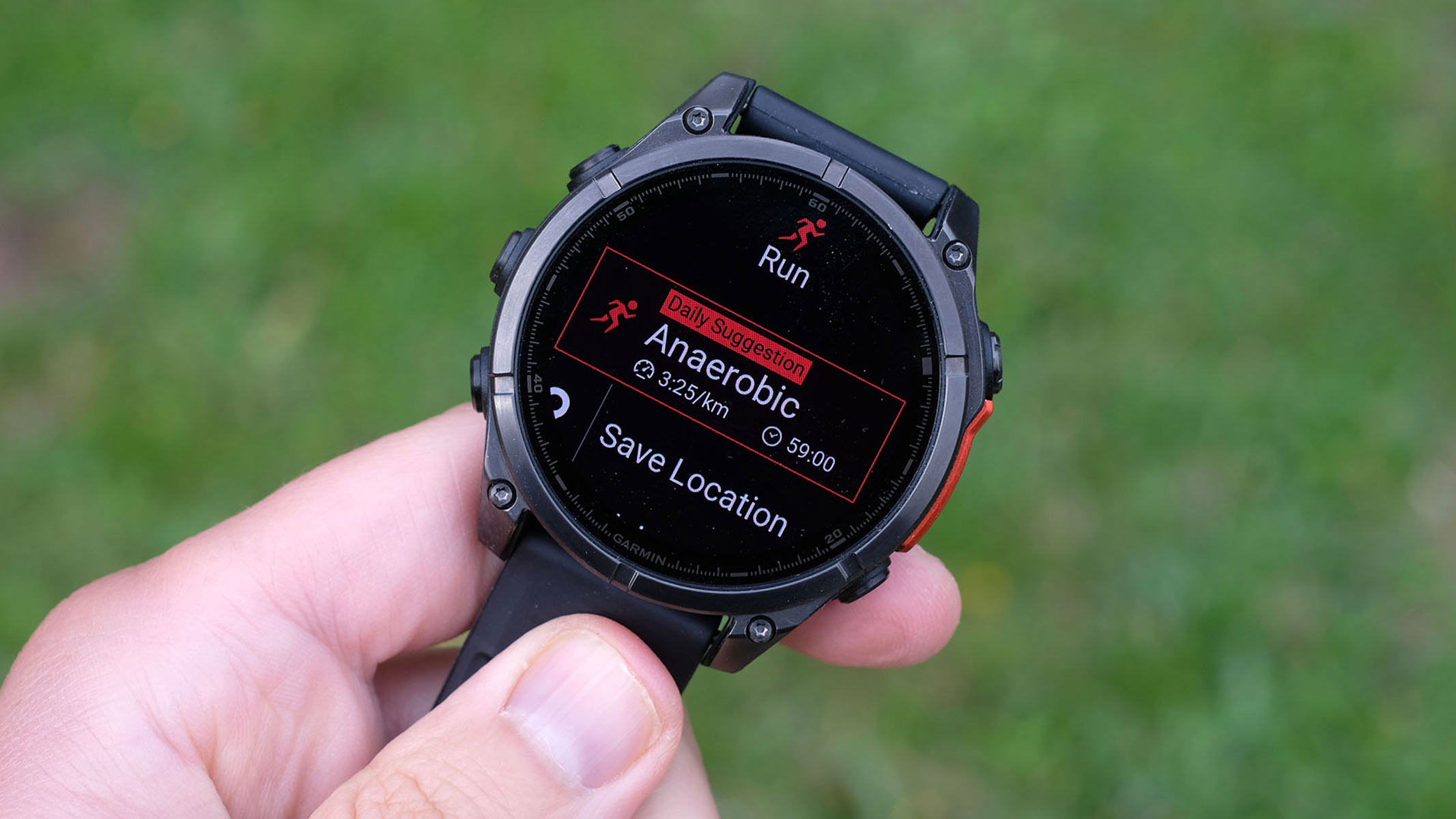
When it comes to fitness, all three brands offer advanced tracking, but their focus differs. Apple emphasizes consistency and long-term health trends. Samsung offers detailed workout metrics and flexible customization. Google combines software intelligence with practical fitness tools.
Choosing the Best AI smartwatch for fitness and health depends on personal goals. Casual users may prefer a balanced approach, while dedicated athletes might value detailed performance data and customization options.
Battery Life and Daily Usability
Battery performance remains a key factor in smartwatch selection. Apple prioritizes optimized performance with daily charging. Samsung often offers slightly longer battery life depending on usage. Google focuses on balancing intelligent features with efficient power management.
Daily usability also depends on interface design, notification handling, and comfort. Each brand excels in different areas, reinforcing the importance of personal preference.
Price, Value, and Long-Term Support
Pricing varies across models and regions, but all three brands position their devices in the premium segment. Long-term software support and regular updates play a crucial role in maintaining value. Apple leads in consistent updates, while Samsung and Google continue to improve their support cycles.
For readers of World Web Blog, understanding long-term value is just as important as evaluating current features.
FAQs
1. Which Smartwatch Offers The Most Accurate Health Tracking?
Accuracy depends on usage and ecosystem. Apple is known for consistency, Samsung for detailed metrics, and Google for intelligent insights.
2. Is An Ai Smartwatch Suitable For Everyday Users?
Yes, modern smartwatches are designed for both casual and advanced users, offering simple insights alongside deeper data.
3. Which Smartwatch Is Better For Fitness-Focused Users?
Samsung and Apple offer strong fitness tools, while Google excels in software-driven suggestions.
4. Do Smartwatches Improve Health Awareness?
Yes, regular feedback and trend analysis help users make informed lifestyle decisions.
5. How Important Is Ecosystem Compatibility When Choosing A Smartwatch?
Ecosystem compatibility greatly affects usability, synchronization, and overall experience.